Luundo fled the violence of the Democratic Republic of Congo in 2016. When he arrived at Kakuma Refugee Camp in Kenya, he was one of roughly half a million people living there — waiting, with little food and no clear horizon. The camp sits in one of the poorest, most arid parts of the country.
After two months with no help, he started fishing in a nearby river. That small act of finding a way to feed himself when the system couldn’t turned into a question. Why not build ponds and raise fish properly? He brought other young people in. They built some ponds. Then they added greenhouses to grow vegetables. Next came chicken coops. Eventually they had an organisation they called Vijana Twaweza, Swahili for “Youth, We Can.”
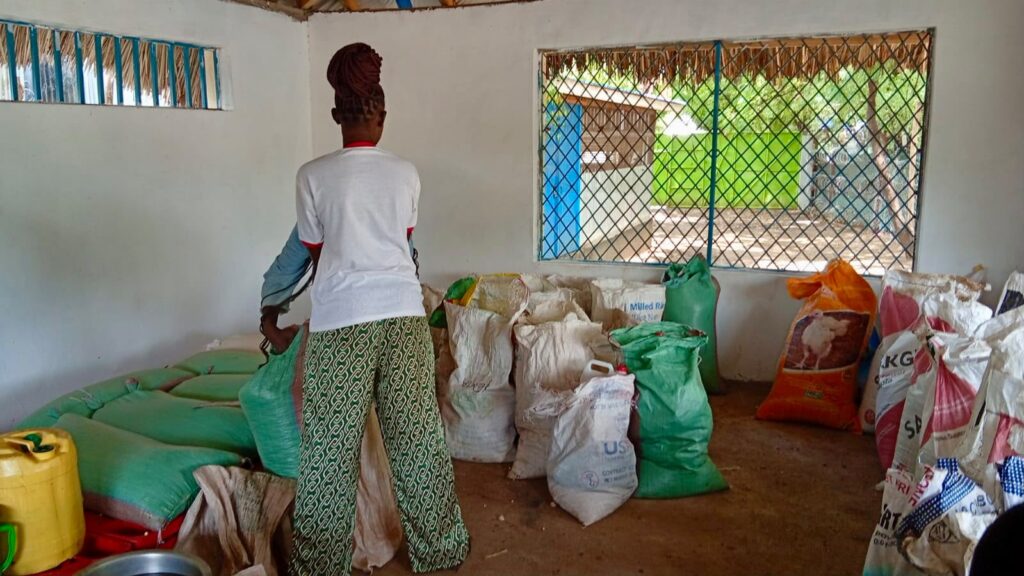
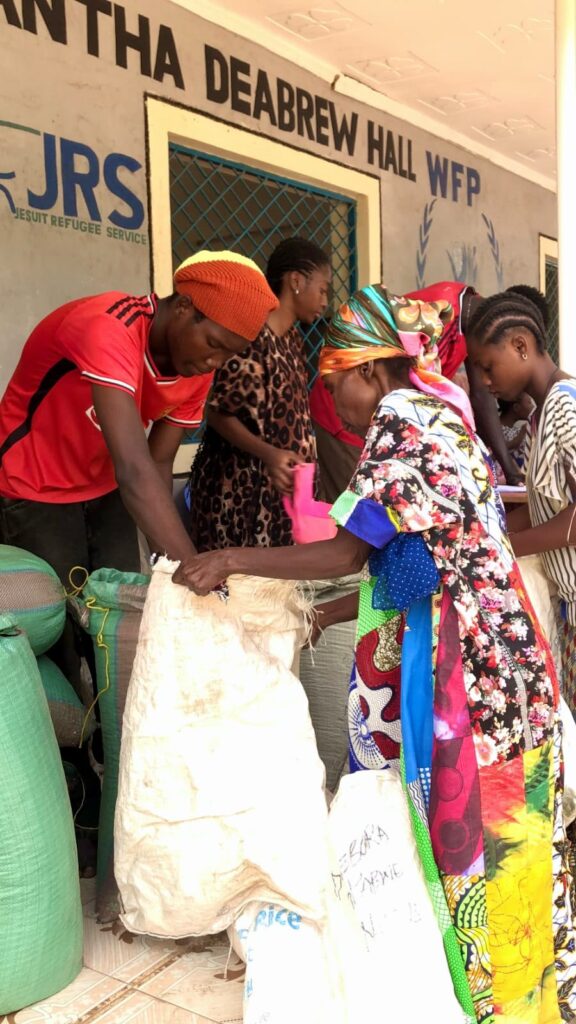
Poremma found Luundo through LinkedIn and came on board in February 2026. The project we support focuses on the most vulnerable people in the camp: 50 families and groups — around 400 people in total — who receive monthly door-to-door distributions of dry food. The door-to-door model matters: it means every family has a visit, their situation is assessed, and specific support can be offered where most needed.
The wider context makes this urgent. Kakuma hosts hundreds of thousands of refugees but recent cuts in international aid have left most of them with no support at all. The large agencies are pulling back. What’s filling the gap, in part, is organisations such as Vijana Twaweza: built by refugees, run by refugees, for refugees.
That’s not a slick slogan. It’s just what happened when one person decided that fishing in a river wasn’t enough, and started thinking bigger. “I am so proud to see people smile who once felt helpless,” says Luundo.